Five Players. Five Different Ways to Be Overlooked.
The five stories
Chapter 1 · Spud Webb — MEASURED

Some things are easy to measure. Height is one of them.
Before Spud Webb could show people what he could do on a basketball court, there was one number everyone noticed first: he was about 5-foot-7. In a sport where height can open doors, Spud’s size often gave people a reason to close them. But a measurement can tell you how tall someone is. It cannot tell you how far someone can go.
Spud’s path was not built on easy assumptions. He had to keep finding places willing to look beyond what was obvious. Junior college gave him an opportunity, then came North Carolina State, and after that another challenge: proving he belonged in professional basketball. At every level, the same doubt followed him — was he big enough?
Spud kept answering a different question: could he play? He was quick, creative, explosive, and capable of doing things people did not expect from someone his size. Then, in 1986, the basketball world watched him enter the NBA Slam Dunk Contest.
Standing beside athletes who seemed built for the event, Spud did something people still remember decades later. He won. The moment became famous because of the contrast: a player considered too small was suddenly rising above everyone’s expectations.
But the dunk contest was only part of the story. Spud Webb did not simply prove he could jump. He built an NBA career. That matters because one spectacular night can surprise people, but a career proves something deeper.
You belong.
👀 LOOK AT THE CARD AGAIN
Look at Spud on the card. There is no measuring tape beside him and no number explaining how tall he is. He is simply playing basketball.
That may be the better way to see him. Height was part of Spud Webb’s story, but it was never the whole story. People could measure his body. They could not measure his determination, timing, skill, courage, preparation, or how much possibility he carried into every opportunity.
Sometimes that is how people get overlooked. One visible limitation becomes a complete description. But one measurement should never be given that much power.
💎 HIDDEN GEM — MEASURED
A measurement can describe one part of you without deciding the whole of you.
💭 HIYASAT REFLECTION
We all get measured in different ways — by age, titles, numbers, mistakes, expectations, or what other people notice first. Those things may describe something about us, but they rarely describe everything.
Spud Webb’s story reminds us that being measured is not the same as being fully seen. Sometimes the most important parts of a person are the things no number can capture. And sometimes what others overlook is exactly where the hidden gem is waiting.
Chapter 2 · Avery Johnson — TRUST
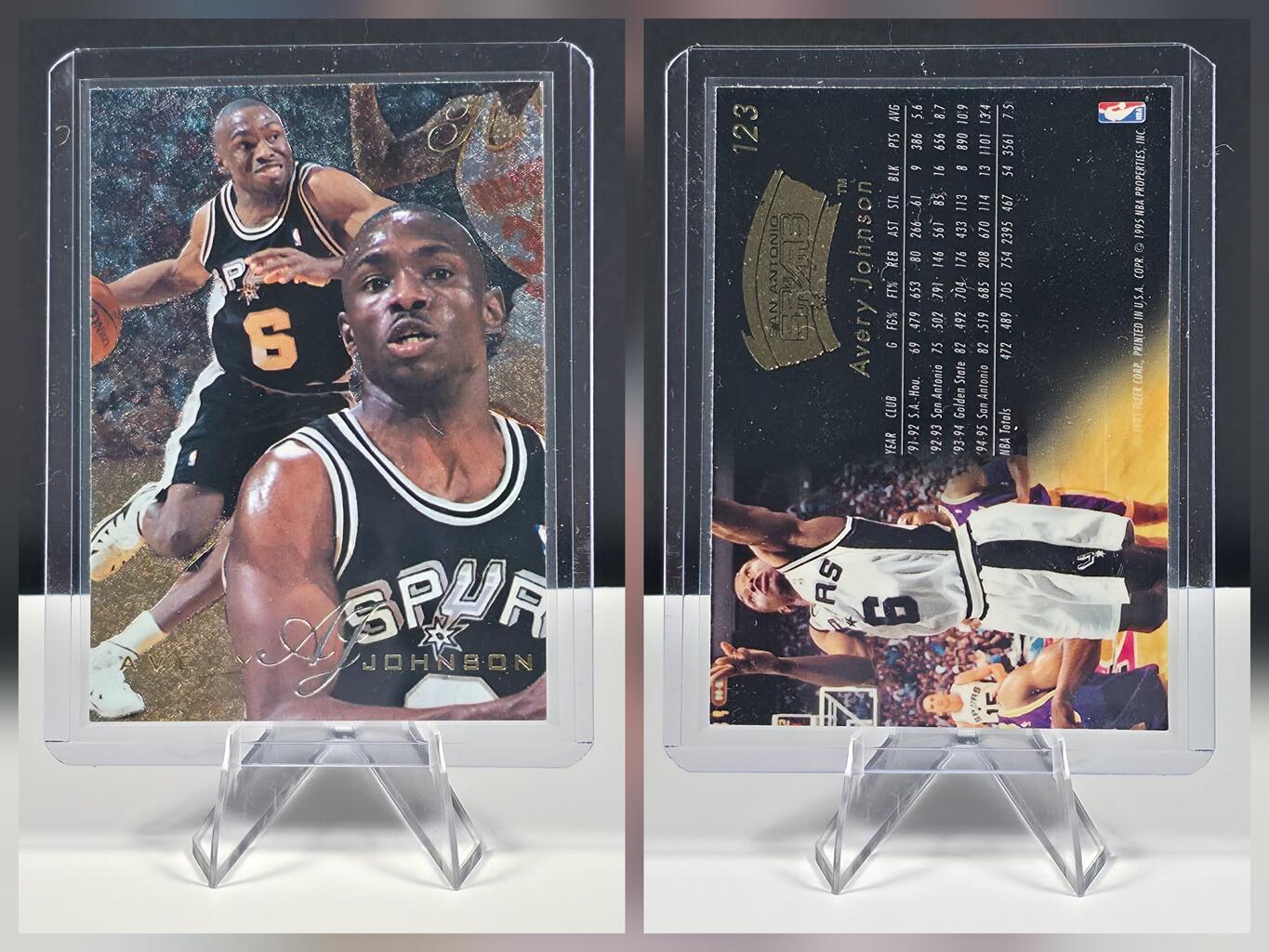
Avery Johnson’s NBA story did not begin with anyone calling his name on draft night. In 1988, he went undrafted, which meant there was no guarantee that the league had a place for him at all.
He kept going anyway.
Johnson had to earn opportunities one at a time. He moved through different teams and professional stops, trying to prove that what he lacked in size or star power could be replaced by something harder to measure quickly: control, communication, discipline, and the ability to make a team function.
Those qualities do not always make someone impossible to ignore. Sometimes they make someone easier to overlook.
But trust works differently from attention.
Attention can come from one great game. Trust usually takes longer. It grows when someone keeps showing up, keeps making the right decision, keeps doing the small things well, and keeps becoming dependable when the pressure rises.
Eventually, the San Antonio Spurs placed that kind of responsibility in Avery Johnson’s hands. He became the point guard of a team built around stars, but his job was not to outshine them. His job was to organize, connect, and lead.
Then came the 1999 NBA Finals.
San Antonio was one win away from the first championship in franchise history. Late in Game 5, with the score tight and the season hanging in the balance, the ball found Johnson. He made the baseline jumper that gave the Spurs the lead they would keep.
The undrafted player had become the person trusted with one of the biggest shots in team history.
👀 LOOK AT THE CARD AGAIN
Look at Avery Johnson on the card and there may be nothing that immediately screams superstar. That is part of the story.
Leadership is not always loud. Reliability does not always look spectacular. Sometimes value shows up in how much responsibility other people are eventually willing to place in your hands.
Johnson’s career was not built on being chosen first. It was built on becoming someone others could count on.
💎 HIDDEN GEM — TRUST
Being overlooked at the beginning does not decide who people will trust at the end.
💭 HIYASAT REFLECTION
There are times when recognition comes late, or not at all. That can make it easy to believe that being passed over is the same as being unworthy.
Avery Johnson’s story reminds us that trust is often built quietly. It grows through consistency, preparation, and the way we respond when no one is celebrating the work yet.
You may not control who notices you first. But over time, you can still become the person others are willing to depend on when it matters most.
Chapter 3 · Anthony Mason — FIT
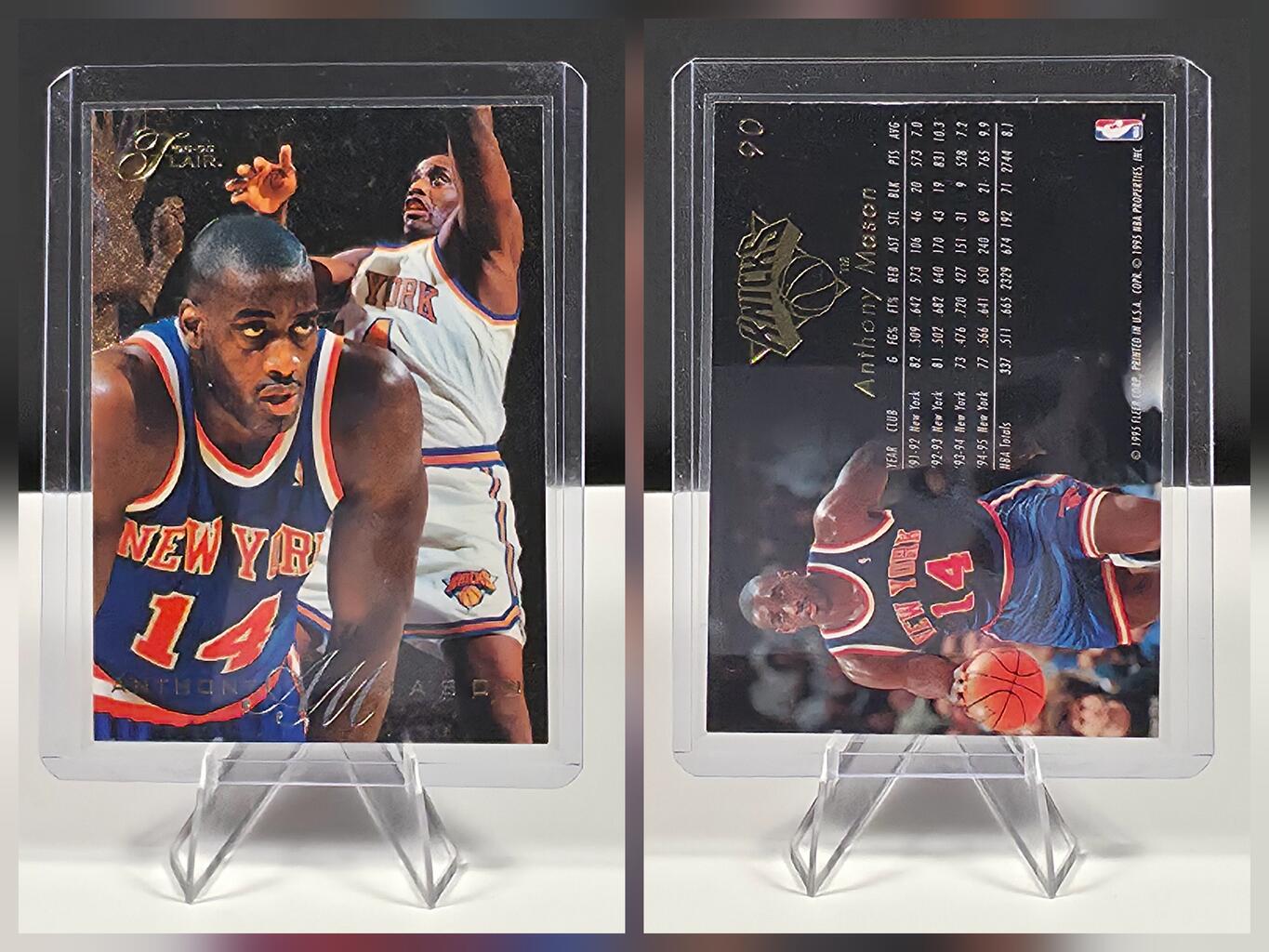
Some players are easy to understand right away. Anthony Mason was not one of them.
He was big, strong, physical, and built for contact. But that was only part of what he could do. Mason could rebound, defend, handle the ball, and make plays for others. The challenge was that his game did not fit neatly into the usual boxes people used to judge players.
Mason was selected late in the 1988 NBA Draft, but his place in the league did not come quickly. He moved through different teams and leagues, taking short chances wherever he could find them. For a while, he looked like the kind of player basketball might forget.
Then came New York.
With the Knicks, Mason found a team that could use what made him different. He brought toughness, energy, defense, and the ability to do more than one job. Instead of forcing him into one simple role, the Knicks gave his unusual mix of skills room to matter.
In 1995, Mason won the NBA Sixth Man of the Year award. It was proof that a player once difficult to place could become essential.
But his story kept growing.
Later, with Charlotte, Mason became even more complete. He handled the ball more, created for teammates, and showed that his value went beyond strength and defense. In 1997, he earned All-NBA recognition. Then, in 2001, at age 34, he became an NBA All-Star with Miami.
His career was not a straight line. It took years before the league fully understood what he could be.
👀 LOOK AT THE CARD AGAIN
Look at Anthony Mason on the card and it is easy to notice the physical presence first. That is understandable. He played with force, and he looked like someone built to do the hard work.
But look longer.
The real story is that Mason could not be reduced to one job. He was not only a bruiser, not only a rebounder, and not only a defender. His value came from the combination.
Sometimes people get overlooked because they are missing something obvious. Other times, they get overlooked because what they offer does not fit the shape others are expecting.
💎 HIDDEN GEM — FIT
Sometimes people overlook your value because they are looking for it in the wrong shape.
💭 HIYASAT REFLECTION
There are moments when being hard to define can feel like a weakness. A person may not fit the usual role, path, title, or expectation, and that can make their value harder for others to see.
Anthony Mason’s story reminds us that not fitting neatly can also be a strength. The same qualities that make someone difficult to place can become the reason they eventually matter in a way others cannot easily copy.
The challenge is not always to become easier to categorize.
Sometimes it is to keep developing until the right place finally understands what you bring.
Chapter 4 · Keith Jennings — FOUND
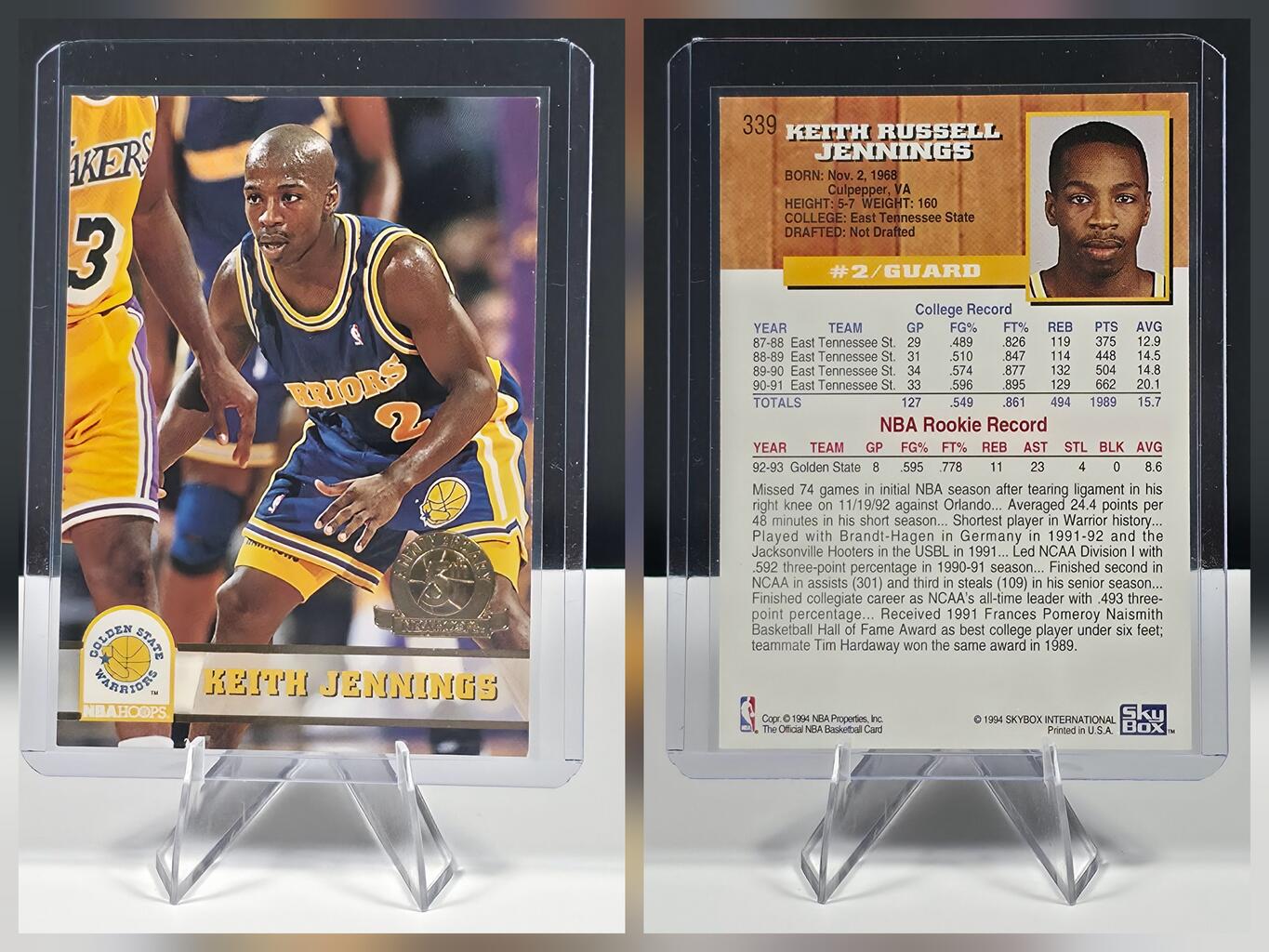
Some talent is easy to find. It comes from famous programs, big stages, and places everyone already knows to watch.
Keith Jennings’ story was different.
At East Tennessee State, Jennings became one of the best players in his conference. He could handle the ball, score, create for others, and control a game. But he was also about 5-foot-7, and he played far from the biggest college basketball spotlight.
When the 1991 NBA Draft arrived, no team selected him.
That could have looked like an answer.
It was not.
Jennings kept playing. He continued to prove that being overlooked did not mean being unable. Eventually, he earned his way into the NBA with the Golden State Warriors and spent several seasons competing at the highest level of the sport.
For some players, reaching the NBA becomes the whole story. For Jennings, it was only one chapter.
After his NBA years, he continued playing professionally overseas. The path changed, but the game did not disappear. His career kept going because his value had never depended on one league deciding whether he belonged.
That is what makes his story different from the others in this exhibition.
Keith Jennings was not simply someone who had to overcome being small. He was someone whose ability existed before the biggest stage chose to recognize it.
👀 LOOK AT THE CARD AGAIN
Look at the card again.
A Keith Jennings card may not carry the same name recognition as one belonging to an NBA superstar. It can be easy to pass over because the player is less famous, the story less familiar, and the career less celebrated.
But that is exactly the point.
Value and visibility are not the same thing.
Some people become visible because the world is already looking in their direction. Others develop somewhere quieter, farther from the spotlight, until someone finally notices what was there all along.
Jennings’ story reminds us that being harder to find does not make someone less worth finding.
💎 HIDDEN GEM — FOUND
Value does not begin when someone finally notices it.
💭 HIYASAT REFLECTION
There are moments when it can feel like recognition is what makes something real. A promotion, invitation, award, contract, or public success can seem like proof that our effort finally matters.
But recognition usually arrives after the value already exists.
Keith Jennings’ story reminds us that worth is often present long before the spotlight reaches it. The challenge is to keep developing, keep showing up, and keep believing in the work even when attention is somewhere else.
Sometimes the hidden gem is not created by discovery.
It was already there, waiting to be found.
Chapter 5 · Kurt Rambis — NEEDED
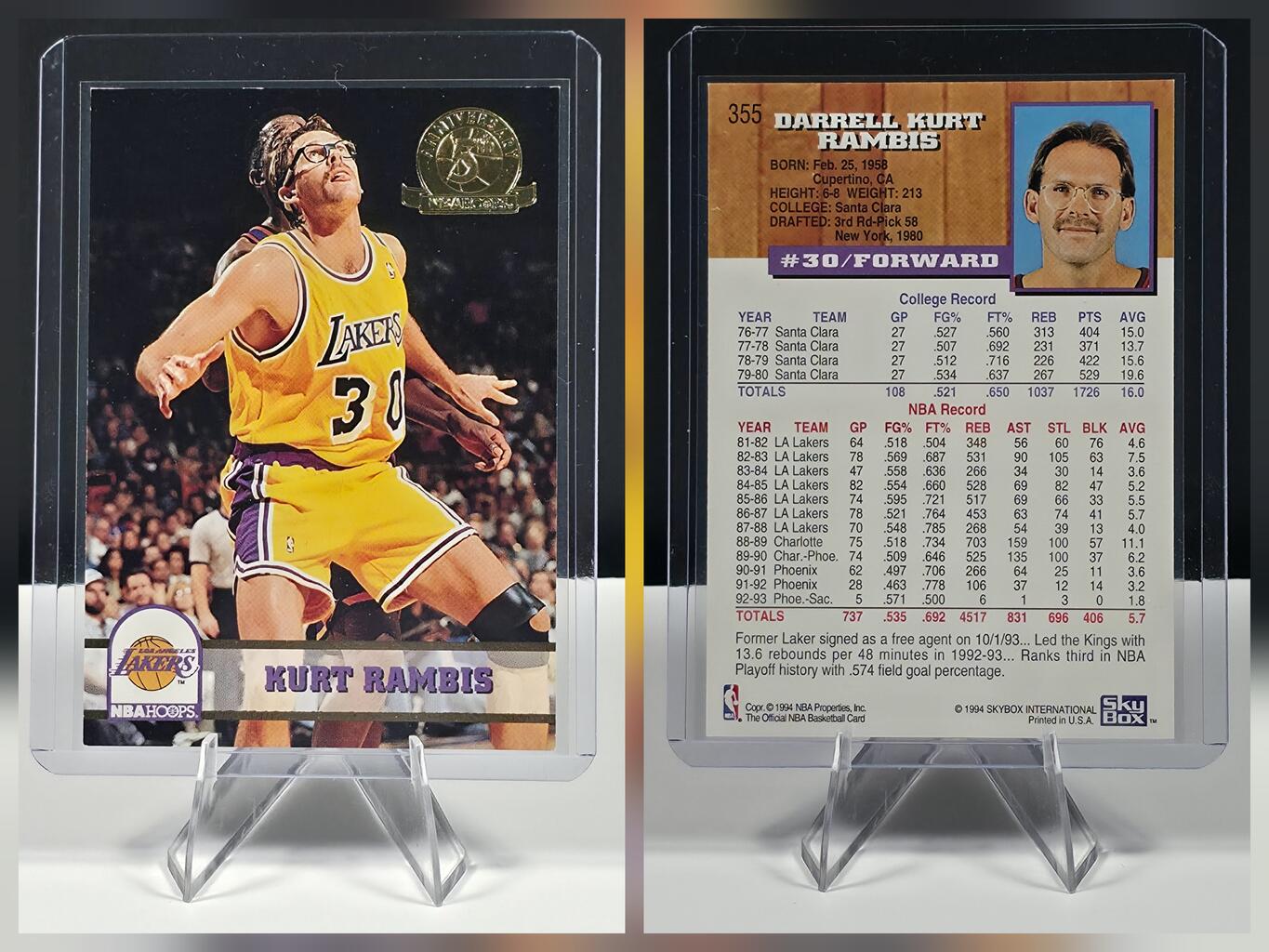
Some players become important because everyone can see what they do. Others become important because a team feels what is missing when they are not there.
Kurt Rambis spent much of his career surrounded by stars. With the Los Angeles Lakers, he shared the floor with players like Magic Johnson, Kareem Abdul-Jabbar, and James Worthy. On teams filled with talent and personality, Rambis was rarely going to be the first name people remembered.
But that did not make his role small.
His road to the Lakers was not immediate. After being drafted in 1980, Rambis did not quickly establish himself in the NBA. He played professionally in Greece before returning and eventually finding a place with Los Angeles.
Once there, he became useful in ways that were not always glamorous.
Rambis defended. He rebounded. He set screens, fought for position, absorbed contact, and brought a physical edge to a team famous for speed and skill. He did not need the offense built around him to matter.
That may be the most important part of his story.
The Lakers already had stars who could score, create, and fill highlight reels. What they also needed were players willing to do the work that made those stars more effective. Rambis became part of four Lakers championship teams during the 1980s.
His contribution was not always the easiest one to celebrate.
It was still necessary.
👀 LOOK AT THE CARD AGAIN
Look at Kurt Rambis on the card and it is easy to compare him with the bigger names around him. The statistics may not demand attention. The name may not carry the same weight as the Hall of Famers beside him.
But a team cannot be understood only by looking at who scored the most points.
Some players create space. Some defend the difficult matchup. Some chase the loose ball, set the screen, take the contact, or do the job that allows someone else to shine.
Rambis reminds us that value can be real even when it is not the most visible thing in the room.
💎 HIDDEN GEM — NEEDED
Not every important contribution is designed to be noticed.
💭 HIYASAT REFLECTION
There are roles in life that rarely come with applause. They may happen behind the scenes, inside a family, at work, on a team, or anywhere people depend on one another.
Kurt Rambis’ story reminds us that recognition and importance are not the same thing. Some of the work that matters most is valuable precisely because someone is willing to do it without needing to be the center of attention.
Being overlooked does not always mean being unimportant.
Sometimes it means you are doing the work that holds everything else together.