A playing career can end, but a story does not have to.
The five stories
Chapter 1 · Kevin McHale — RETURN
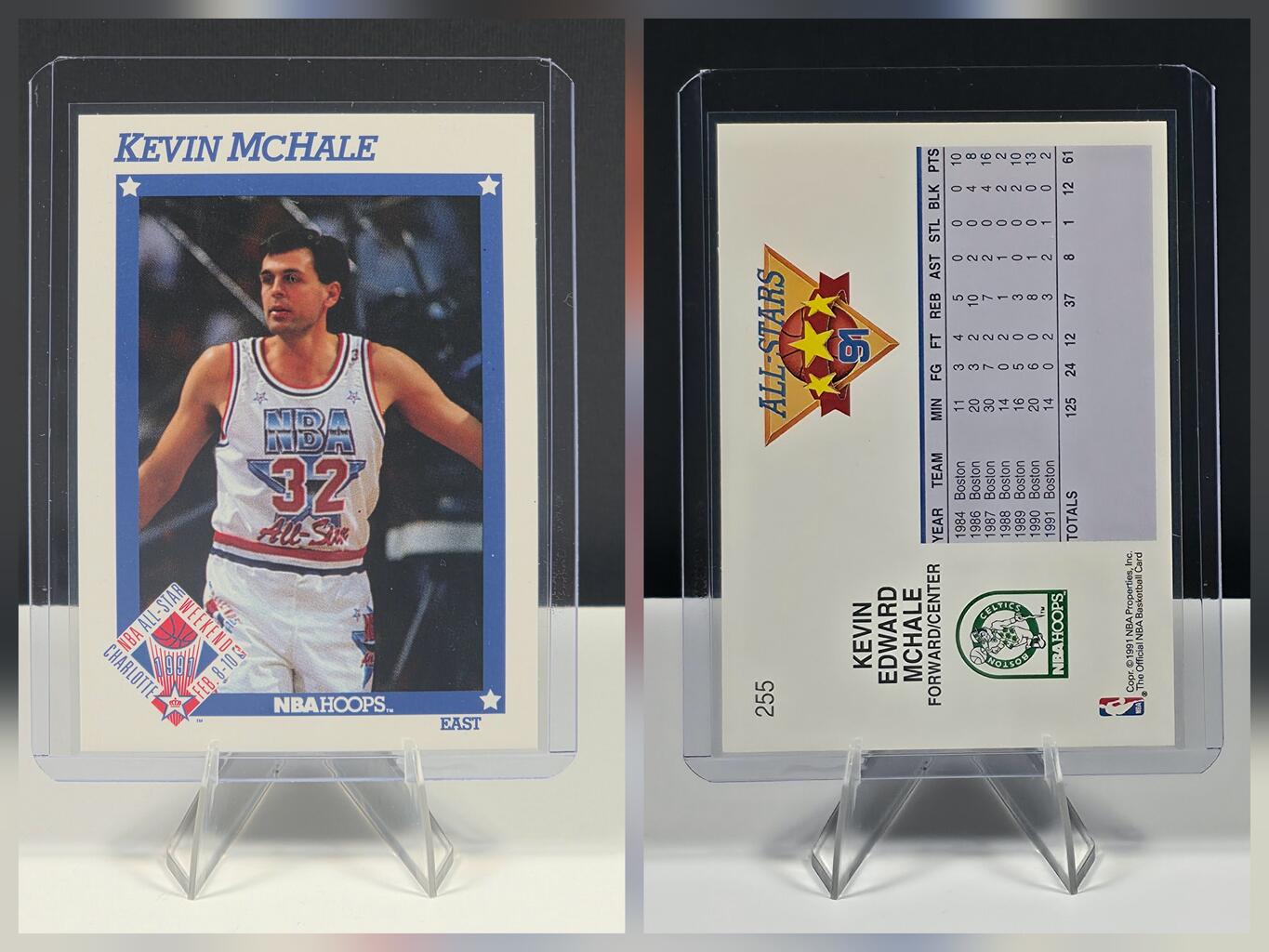
Kevin McHale’s basketball story is usually remembered in Boston.
That makes sense. The Celtics selected him with the third pick in the 1980 NBA Draft, and he spent his entire 13-year playing career with the franchise. Alongside Larry Bird and Robert Parish, McHale became part of one of basketball’s defining frontcourts. He won three NBA championships, became a seven-time All-Star, and earned a reputation for footwork and post moves that made him one of the most difficult players of his era to defend.
But the next chapter of his life did not begin in Boston.
It brought him back to Minnesota.
McHale was born in Hibbing, Minnesota, and played college basketball at the University of Minnesota before entering the NBA. After retiring in 1993, he returned to his home state and became involved with the Minnesota Timberwolves. Over time, his role grew from working around the organization to helping direct its basketball operations. He later stepped onto the sideline as head coach.
That transition mattered because it changed the way McHale could influence the game.
As a player, his job was to perform. As an executive, he had to evaluate talent, build a roster, and make decisions that affected people beyond himself. As a coach, he had to teach, communicate, and help others succeed. The skills were different, but the game that had shaped him remained at the center.
His path eventually took him beyond Minnesota again. McHale later became head coach of the Houston Rockets, extending a basketball life that had already moved from player to executive to coach.
👀 LOOK AT THE CARD AGAIN
The card shows Kevin McHale during the chapter most people remember.
It captures the uniform, the player, and the years when his work was visible every night.
But it cannot show what came afterward.
It cannot show the return home, the decisions made from an office, the conversations from the sideline, or the change from being the person others watched to being the person responsible for helping others grow.
💎 HIDDEN GEM — RETURN
Sometimes the next chapter does not take us farther away. Sometimes it brings us back to a familiar place with something new to offer.
McHale left Minnesota as a young player and eventually returned with years of experience gathered somewhere else. What he had learned as a professional did not remain trapped in his playing career. It became useful again in another form.
💭 HIYASAT REFLECTION
We often imagine progress as a straight road forward.
But life can circle back.
A place, skill, relationship, or dream from an earlier chapter may return years later, carrying a different meaning. We are not necessarily going backward when that happens. We may simply be meeting the same place as a different person.
Sometimes growth is not about leaving everything behind.
Sometimes it is about returning with more to give.
Chapter 2 · Steve Smith — INVEST
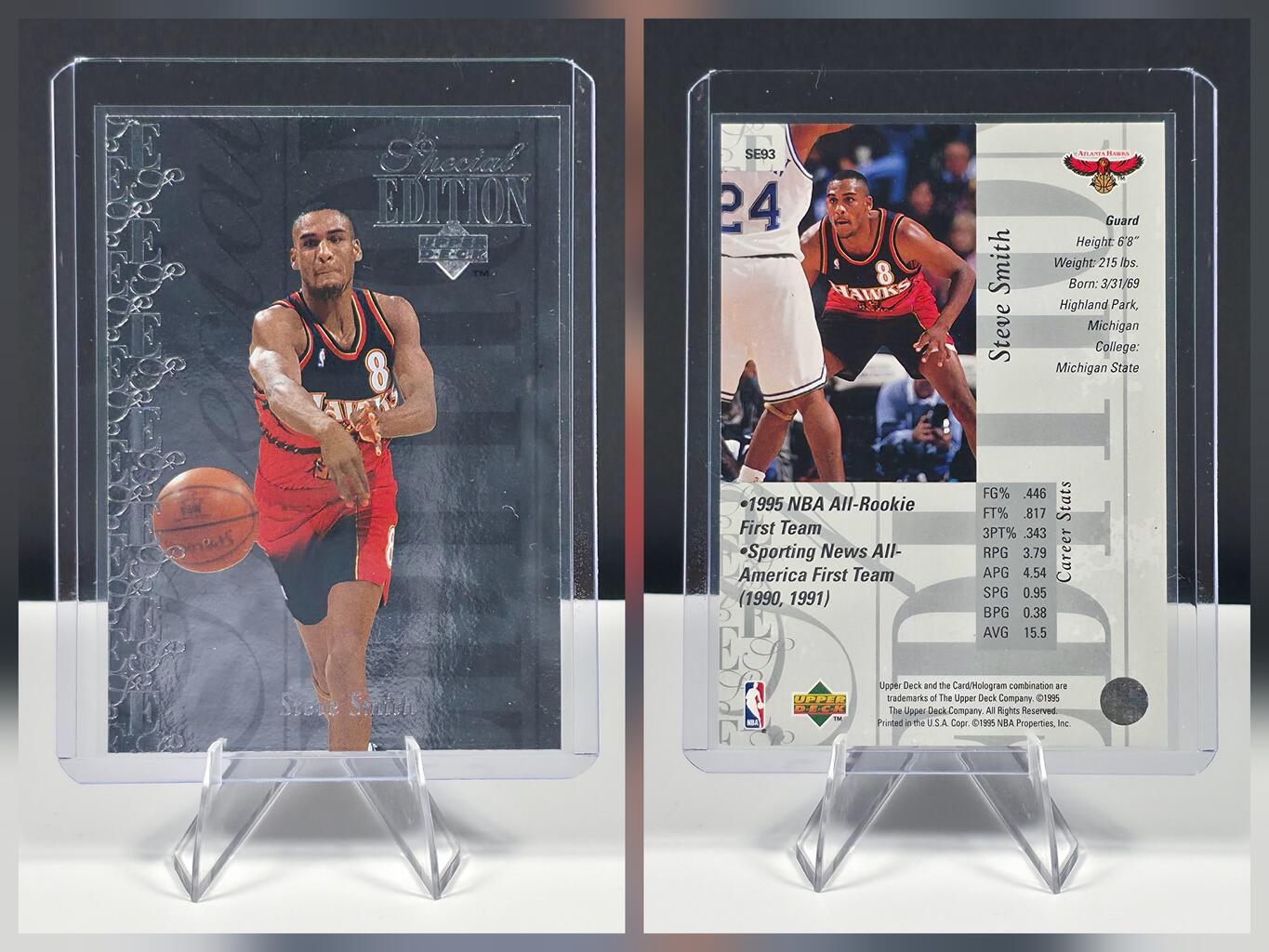
Steve Smith spent much of his basketball life learning how to create opportunities.
At Michigan State, he became one of the program’s great scorers before the Miami Heat selected him fifth overall in the 1991 NBA Draft. His career eventually took him through Miami, Atlanta, Portland, San Antonio, New Orleans, and Charlotte. He became an NBA All-Star, won Olympic gold with the United States in 2000, and captured an NBA championship with the Spurs in 2003.
Those achievements made Smith successful.
But they did not become the only measure of what success meant to him.
In 1997, while his playing career was still flourishing, Smith made a major donation to Michigan State to help create a student-athlete academic center. The building was named in honor of his mother, Clara Bell Smith, who had died when he was young.
That decision revealed something larger than basketball.
Smith understood that an athlete’s career is temporary. Education, opportunity, and the people helped along the way can last much longer. Instead of treating his success as something to protect for himself, he used part of it to build something other students could use.
His next chapter continued that idea in another form.
After retiring from the NBA in 2005, Smith moved into broadcasting. He became an analyst, using years of experience on the court to explain the game from the other side of the camera. The player who once had to make decisions in seconds could now slow those moments down, describe what was happening, and help other people understand basketball more deeply.
The uniform was gone.
The experience was not.
👀 LOOK AT THE CARD AGAIN
The card shows Steve Smith as a player.
It captures the part of his life when the points, games, and results were easy to see.
But it cannot show the academic center carrying his mother’s name. It cannot show the students who would walk through its doors. It cannot show the years when his knowledge of basketball would become something he shared instead of something he used only to compete.
The card records what Smith accomplished.
His next chapters reveal what he chose to do with it.
💎 HIDDEN GEM — INVEST
Success becomes more valuable when we invest some of it in something that can outlast us.
Smith’s basketball career created opportunities for him. His life beyond the game shows another possibility: those opportunities can become a starting point for someone else.
💭 HIYASAT REFLECTION
We often spend years trying to build something for ourselves.
A career. Security. Knowledge. Experience. A reputation.
But eventually, another question can emerge: what can all of this become for someone else?
The next chapter does not always require another personal achievement. Sometimes it begins when what we have earned, learned, or survived becomes useful beyond our own story.
What we build for ourselves can become something we leave for others.
Chapter 3 · Danny Ainge — REINVENT
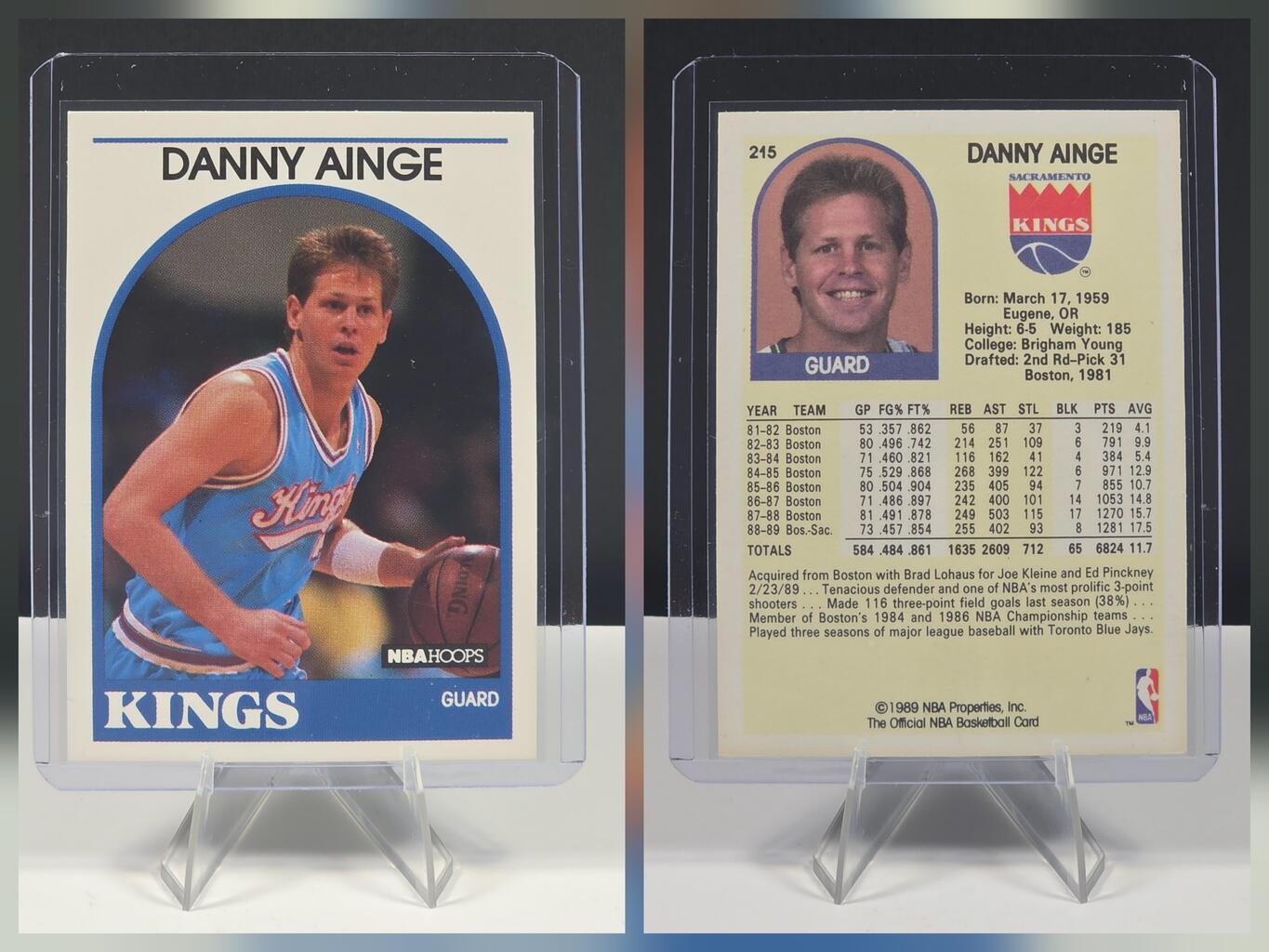
Long before Danny Ainge became known as a Boston Celtic, he was already living a different version of his athletic life.
The Toronto Blue Jays drafted him out of high school in 1977. While playing basketball at Brigham Young University, Ainge also spent his summers playing professional baseball. He eventually appeared in 211 Major League games for Toronto between 1979 and 1981. Then, in June 1981, something unusual happened: Ainge was drafted by the Boston Celtics while he was still under contract with the Blue Jays.
He chose basketball.
That decision opened a much bigger chapter. Ainge played 14 seasons in the NBA, became an All-Star, and won championships with Boston in 1984 and 1986. He played alongside stars such as Larry Bird, Kevin McHale, and Robert Parish, yet built his own place on those Celtics teams through shooting, toughness, competitiveness, and an ability to fit what the moment required.
But even that was not the end of the story.
After his playing career, Ainge moved into coaching with the Phoenix Suns. He later worked in television before returning to Boston in 2003 to lead the Celtics’ basketball operations. Four years later, he helped reshape the roster by acquiring Ray Allen and Kevin Garnett. Boston won the NBA championship in 2008, making Ainge the only person in Celtics history at the time to win championships with the franchise both as a player and as its lead basketball executive.
And when he left Boston in 2021, another chapter followed. Months later, Ainge joined the Utah Jazz organization, continuing a basketball life that had already taken him from player to coach, broadcaster, and executive.
👀 LOOK AT THE CARD AGAIN
The card captures Danny Ainge as a basketball player.
But a card can only freeze one chapter.
It cannot show the baseball player who came before it. It cannot show the coach, broadcaster, or executive who came after it. And it cannot show how many times one person’s experience can be carried into something new.
💎 HIDDEN GEM — REINVENT
Reinvention does not always mean leaving your old self behind. Sometimes it means discovering another place where your experience still matters.
Ainge kept changing roles, but he did not begin from zero each time. The competitor, teammate, observer, and decision-maker developed in earlier chapters became useful in the ones that followed.
💭 HIYASAT REFLECTION
We sometimes treat change as proof that one part of our life is over.
But an ending can also reveal what we have been preparing for all along. The skills, failures, relationships, and lessons gathered in one season may become the tools we need in another.
The next chapter may look completely different.
That does not mean the chapters before it were wasted.
Chapter 4 · Dan Majerle — GUIDE
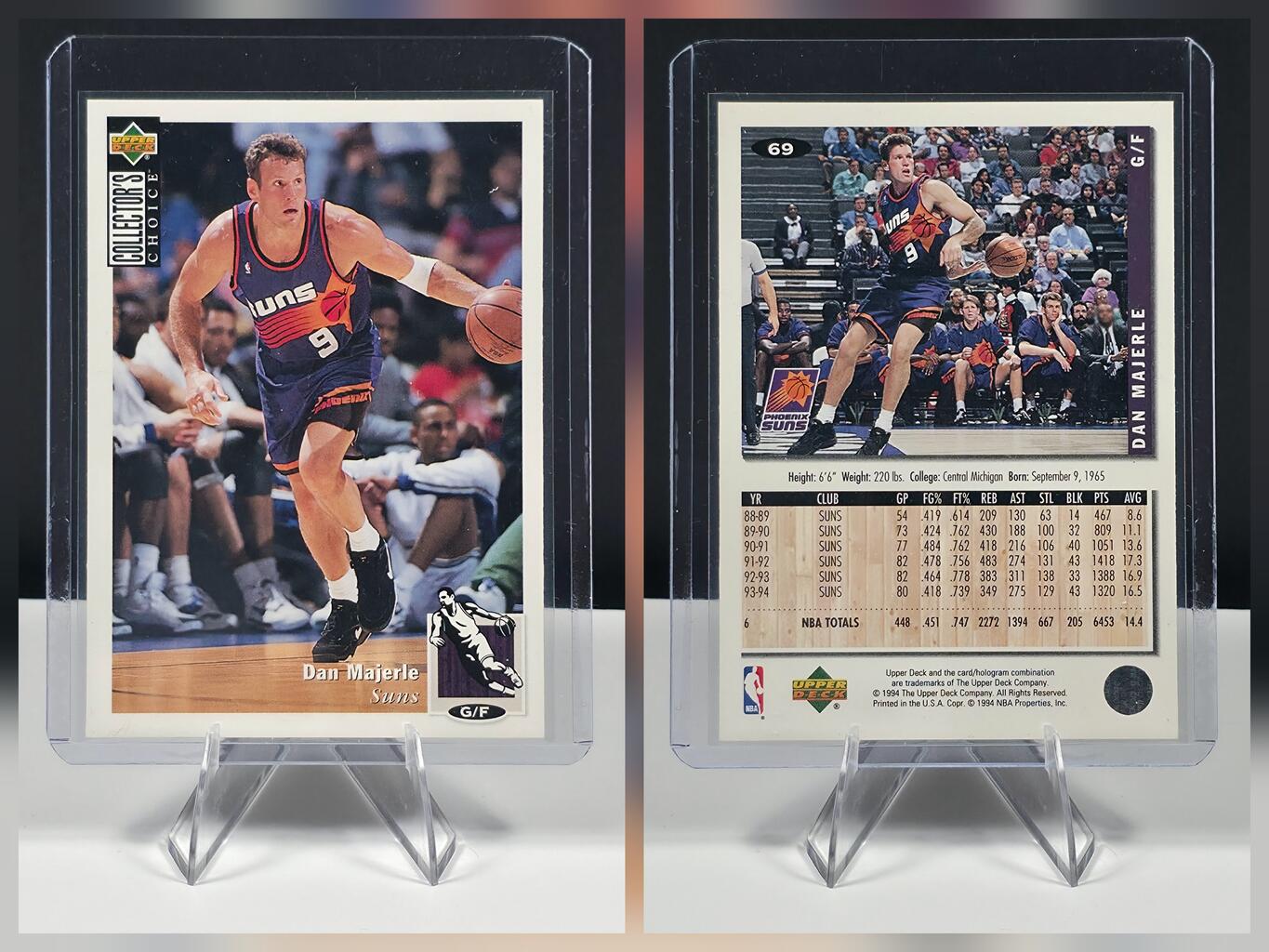
Dan Majerle built his NBA reputation by playing with urgency.
The Phoenix Suns selected him with the 14th pick in the 1988 NBA Draft, and he quickly became known for defense, toughness, and a willingness to do the work that did not always appear in a box score. Over a 14-year NBA career, Majerle became a three-time All-Star and helped Phoenix reach the 1993 NBA Finals.
Fans came to know him as “Thunder Dan.”
The nickname fit the player.
But eventually, the player had to become something else.
After retiring in 2002, Majerle did not leave basketball behind. Years later, he returned to the Phoenix Suns as an assistant coach. The game was familiar, but his responsibility had changed. Instead of reacting from the floor, he now had to watch, teach, communicate, and help other players make better decisions.
That kind of transition can be difficult.
A player is judged largely by what he can do himself. A coach has to find value in what other people become. The instinct to compete remains, but the work becomes less visible. Success depends on preparation, patience, relationships, and the ability to explain something another person may not yet understand.
Majerle eventually took another step when he became head coach at Grand Canyon University in 2013. He was no longer simply helping from the side. He was responsible for building direction, establishing expectations, and guiding a program through an important stage of its development.
The player once known for making an impact with his own effort was now being measured by how well he could bring effort out of others.
👀 LOOK AT THE CARD AGAIN
The card shows Dan Majerle in the part of his life most fans remember.
You can almost feel the movement in it—the athlete, the competitor, the player expected to make something happen.
But the card cannot show the later chapter.
It cannot show the coach watching instead of playing. It cannot show the conversations, corrections, encouragement, or decisions that happen away from the crowd.
The player had to learn how to influence the game without taking the shot himself.
💎 HIDDEN GEM — GUIDE
Experience becomes more powerful when we learn how to turn it into guidance for someone else.
Majerle’s next chapter was not about proving he could still play. It was about discovering whether what he had learned could help another person improve.
💭 HIYASAT REFLECTION
There comes a point when knowing how to do something is no longer the only measure of growth.
Sometimes the next step is learning how to explain it, share it, or help another person find their own way.
That shift can feel quieter than achievement. There may be fewer cheers and fewer moments when the result belongs to us alone.
But influence can grow when we stop needing to be the person at the center.
Sometimes the next chapter begins when experience becomes guidance.
Chapter 5 · Frank Johnson — READY
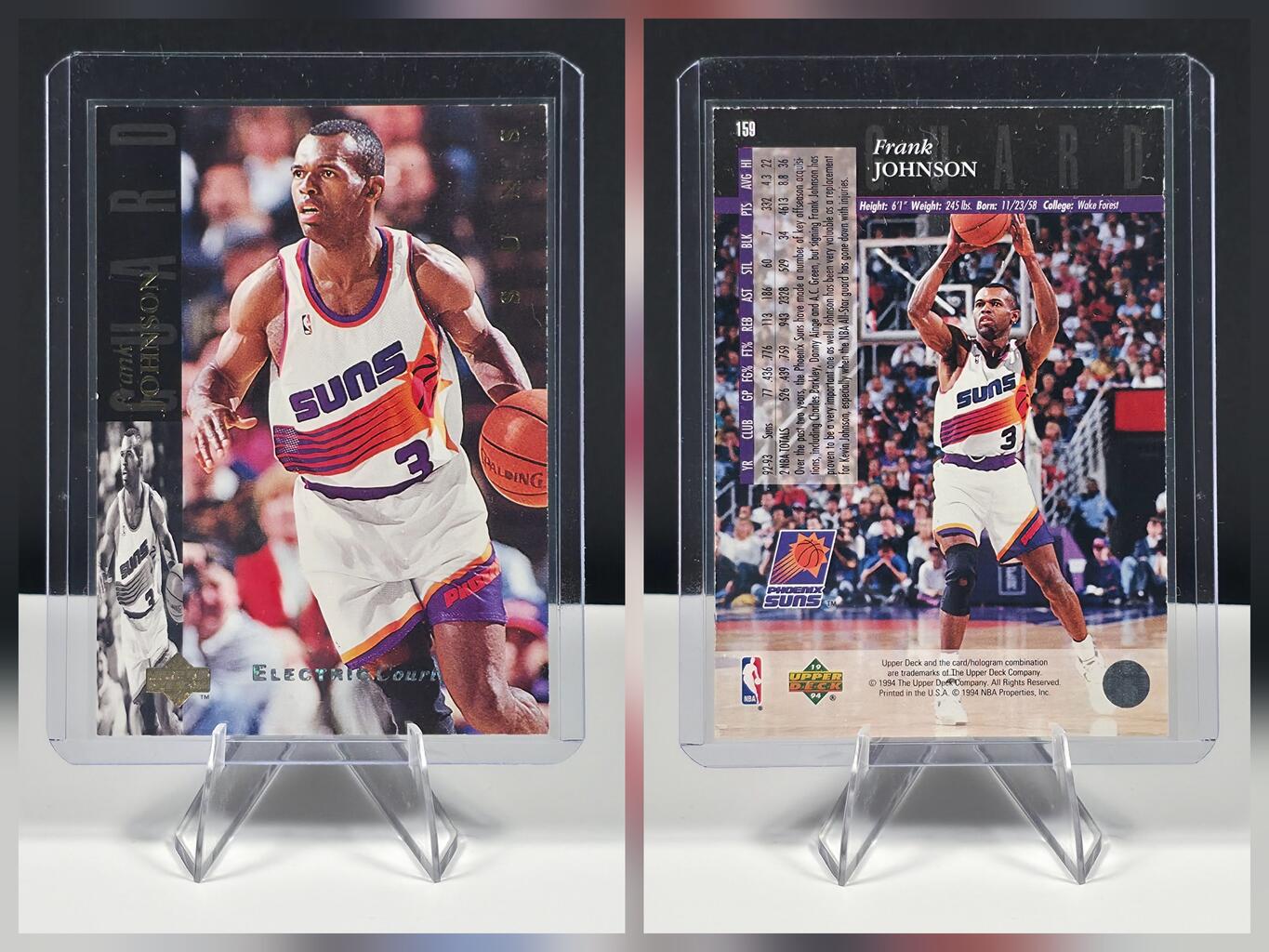
Frank Johnson’s basketball career was built on being prepared for the next responsibility.
At Wake Forest, Johnson developed into one of the program’s top guards before the Washington Bullets selected him with the 11th pick in the 1981 NBA Draft. He went on to spend a decade in the league, playing for Washington, Houston, and Phoenix. His role was not always the same, but the demands were familiar: understand the game, make decisions quickly, and be ready when his number was called.
Those habits became even more important after his playing career ended.
Johnson moved into coaching and eventually joined the Phoenix Suns as an assistant. It was a quieter role than playing. There were no points beside his name and no highlight waiting at the end of the night. His value came through preparation, observation, communication, and the work that happened before the crowd ever saw the result.
Then the responsibility changed.
In 2002, Johnson became Phoenix’s head coach after Scott Skiles stepped down. What had been support work suddenly became leadership. The person helping prepare the team now had to make the final decisions, manage the pressure, and carry responsibility for the direction of the group.
The opportunity did not erase everything that came before it.
It depended on it.
Johnson had spent years learning the game from different positions: player, teammate, veteran, and assistant coach. Each role added something the next one would require. When the job changed, he was not starting from nothing. He was drawing from chapters that had already been preparing him.
👀 LOOK AT THE CARD AGAIN
The card shows Frank Johnson as a player.
It captures one version of readiness: the guard waiting for the possession, reading the floor, and making the next decision.
But the card cannot show the later version.
It cannot show the assistant preparing away from the spotlight or the head coach suddenly responsible for the whole picture. It cannot show how years of smaller responsibilities can become preparation for a larger one.
The card freezes the moment before we know what those lessons will become.
💎 HIDDEN GEM — READY
The next chapter often asks us to use skills we were building before we knew why we would need them.
Johnson’s path reminds us that preparation is not always dramatic. Much of it happens inside ordinary roles, repeated work, and responsibilities that may feel smaller than the opportunity we hope will come.
💭 HIYASAT REFLECTION
We do not always get advance notice when life is about to ask more from us.
A new role can appear before we feel completely ready. A responsibility can grow faster than our confidence.
But readiness is rarely created in one moment.
It is built quietly through the work we keep doing, the lessons we keep collecting, and the responsibilities we learn to carry well.
Sometimes the next chapter begins when preparation finally meets opportunity.